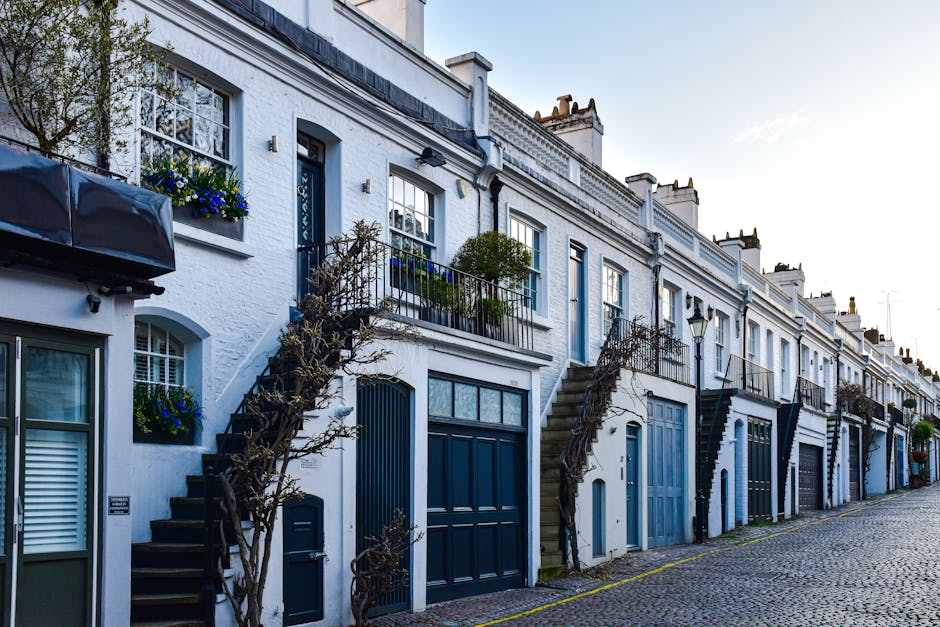
Best Removals for South Norwood Terraced Homes

Moving out of a terraced home in South Norwood can feel simple on paper, then suddenly you are standing in a narrow hallway with a sofa that will not quite turn, a staircase that seems to shrink by the minute, and neighbours on both sides who may not love a long loading bay. That is exactly why choosing the best removals for South Norwood terraced homes matters. The right team does more than lift boxes. They plan access, protect shared spaces, handle awkward furniture, and keep the move calm when the day starts to get a bit lively. Truth be told, terrace moves can be very straightforward with the right approach.
This guide breaks down how to choose the right removal service, what to expect on moving day, the practical risks people often miss, and how to make the whole thing smoother from start to finish. If you are moving across South Norwood, relocating to another part of London, or simply trying to avoid a stressful scramble at 7 a.m., you are in the right place.
Why Best Removals for South Norwood Terraced Homes Matters
Terraced homes have a charm that people love: period features, compact streets, and a proper neighbourhood feel. But those same features can make moving a little trickier than in a newer property with a wide driveway and a big front room. Stairs are tighter, doorways can be awkward, and access may be shared with next-door neighbours. Parking can also be limited, especially when everyone else on the street is trying to get on with their day.
The best removal approach for this kind of home takes those realities seriously. It is not about sending in the biggest lorry and hoping for the best. It is about planning the route from the hallway to the vehicle, thinking about where the van can stop, and making sure each item gets out without scuffing walls or stressing everyone out. A good mover will notice the details that a rushed mover might miss. For example, they will spot whether a wardrobe needs dismantling before they even touch it, or whether a fridge will need extra wrapping for a tight turn on the stairs.
That matters because small issues on terrace moves can snowball quickly. A chair catches on the banister, a parking space disappears, the weather changes, and suddenly everything is slower. The right removals team helps you avoid that domino effect. It keeps the move efficient, but also safer for you, your furniture, and the property itself.
Expert summary: In terraced house moves, success usually comes down to planning access, protecting the property, and choosing the right vehicle and crew size. The lifting is only half the job.
How Best Removals for South Norwood Terraced Homes Works
At a practical level, a good house removal service starts before moving day. You will usually begin with an enquiry or quote, then provide details about the property, access, furniture volume, and any awkward items. That information helps the mover decide whether a man and van setup is enough or whether a larger team and vehicle make more sense. If the home is furnished heavily, has loft storage, or includes a piano, large wardrobe, or bulky sofa, those details really matter.
For South Norwood terraced homes, the best process normally includes a pre-move discussion about access. This may cover parking, stair layout, front door width, rear access, shared pathways, and whether any items need dismantling. From there, the removal team can recommend the right approach. In some cases, a compact vehicle from man and van services is ideal for smaller loads or short local moves. For larger family homes, a more structured service such as home moves or house removalists may be the better fit.
On the day itself, the process usually follows a fairly clear flow:
- Arrival and a quick walk-through of the property.
- Protection of high-risk surfaces, if needed, such as bannisters or flooring.
- Careful loading, starting with the larger and heavier items.
- Securing the load in the vehicle so it does not shift in transit.
- Delivery and placement at the new property, often room by room.
Sounds simple. In real life, there are always a few moving parts. A street may be busier than expected, the keys may arrive late, or the weather may do that classic British thing where rain appears just as the mattress comes out. Good removals planning leaves room for those little surprises.
Key Benefits and Practical Advantages
There are a few clear reasons people choose professional removals for terraced homes rather than trying to manage everything themselves. Some are obvious; some are only obvious after you have tried to carry a bedframe down a narrow staircase and regret every decision that led to that moment.
- Less physical strain: Heavy lifting is tiring, and not everyone has the right equipment or enough helpers.
- Better protection for the property: Professional movers know how to reduce knocks on walls, door frames, and stairs.
- More efficient loading: A well-organised team can often pack a van more safely and use space better.
- Less disruption to neighbours: In terraced streets, timing and access matter. A smooth move is simply less annoying for everyone involved.
- Lower risk of damage: The right wrapping, lifting method, and load-securing practice makes a real difference.
- Peace of mind: Once the move starts, you can focus on keys, utilities, and getting settled instead of managing every box.
There is also a less obvious benefit: a good mover helps you think clearly. When you know the big items, the route, and the timings are under control, the day feels manageable. That alone can make a huge difference. Move day already asks a lot from you. No need to make it harder than it needs to be.
If you are comparing providers, it can also be helpful to look at services such as packing and unpacking services or moving truck options where the property size and timing justify them. Not every move needs every service, of course. But the right extras can save time and reduce stress.
Who This Is For and When It Makes Sense
This kind of removals support is a good match for a wide range of households. The best removals for South Norwood terraced homes usually make sense if you are dealing with any of the following:
- a two-up, two-down terrace with tight stairs
- a family home with several rooms of furniture
- a property with limited on-street parking
- long-carry access from van to front door
- large or fragile furniture that needs careful handling
- an elderly relative moving out of a long-term home
- a first-time buyer who simply wants the day to go properly
It also makes sense if you are moving at a busy time of year, on a weekday with traffic to think about, or in a property where you have to coordinate with estate agents, cleaners, decorators, or new occupants. The more moving parts, the more useful an experienced team becomes.
There is a small but important point here: the cheapest option is not always the best option. A short local move can still become a headache if the van is too small, the crew is too few, or the schedule is too tight. Sometimes paying for the right level of help is simply the sensible move. Nothing glamorous about it, just practical.
Step-by-Step Guidance
If you want a calmer move, work through the job in stages. This is the part most people rush, then wonder why moving day feels so chaotic.
1. Take a real inventory
List the larger furniture, fragile items, outdoor pieces, loft contents, and anything awkward. Be honest. That old desk in the spare room? It counts. So does the box of heavy books you forgot you owned.
2. Check access at both properties
Measure stair widths if needed, think about parking, and look at the route from front door to van. In terraced streets, a short walk from the vehicle can still be fine, but it should be planned. If there is a narrow path, low wall, or tight turn, mention it early.
3. Decide what should be dismantled
Wardrobes, bed frames, and some dining tables are easier to move in sections. Dismantling can save space and reduce damage, especially in older houses where every angle seems just a little too tight.
4. Confirm the service level you actually need
Not every move needs a full team, but not every move suits a single van either. For smaller loads, man with van support may be enough. If you are shifting a whole household, a broader service with more hands and a better loading plan is often the smarter choice.
5. Pack by room and priority
Start with items you do not need in the final week. Keep daily essentials separate. A box containing kettle, mugs, phone charger, toiletries, and snacks can save your sanity later. A small thing, but a useful one.
6. Label clearly
Write the room name and a brief contents note on each box. Even a simple label like "kitchen - plates" is enough to speed up unloading. It also helps avoid that mildly annoying moment when your bathroom toiletries end up in the loft box pile.
7. Keep important papers and valuables with you
Passports, contracts, medication, keys, and personal items are best kept separately. That is standard good practice, and it saves a lot of worry.
8. Walk through the property before the final load
Check cupboards, loft spaces, under beds, and behind doors. You would be surprised what gets missed in the final rush.
Expert Tips for Better Results
Experience shows that the best terrace moves tend to be the ones where the details were handled early. Here are a few practical tips that make a noticeable difference.
- Book with access in mind, not just volume: Two homes with the same number of boxes can need very different removal plans.
- Move bulky items first if the stairs are tight: It is often easier to get the hard pieces out while the house is still clear.
- Protect floors if the weather is wet: South Norwood rain does not ask permission, so plan for muddy shoes and damp paths.
- Keep one bag of essentials with you: Kettle, phone charger, snacks, documents, and a change of clothes. Boring? Yes. Useful? Very.
- Tell your movers about fragile or sentimental items: Clear instructions are always better than silent assumptions.
- Leave a bit of time buffer: Even a 20-minute delay can ripple through a move if the parking is tight or access changes.
One useful trick is to photograph complicated furniture before dismantling it. That way, reassembly is much easier. Not exactly groundbreaking, but it saves a lot of head-scratching later.
Also, if the move includes a lot of loose household items, compare the value of full packing against doing part of it yourself. For some people, having a team handle the fragile kitchen items and wardrobes while they pack clothes and books is the sweet spot. Efficient, but not overdone.
Common Mistakes to Avoid
Terraced home moves often go wrong for the same handful of reasons. Most of them are avoidable, which is the good news. The less good news is that people keep making them anyway.
- Underestimating access problems: A van that is too large for the street or a team that is not prepared for stairs can waste time fast.
- Leaving packing too late: Late packing tends to create messy boxes, poor labelling, and stress.
- Forgetting parking considerations: In terraced streets, stopping space is often just as important as loading space.
- Not measuring large furniture: A sofa may fit in the room but still struggle at the turn on the stairs.
- Mixing fragile items with heavy ones: That usually ends with a broken mug and a lot of muttering.
- Assuming every mover handles the same way: Different services suit different property sizes and access types.
Another common mistake is forgetting the new property. If the entrance there is equally tight, it is worth thinking about unloading order in advance. Otherwise, you may end up shuffling boxes from room to room after a long day. Nobody wants that. Nobody.
Tools, Resources and Recommendations
You do not need a huge toolkit to move well, but a few basics help a lot. The goal is not perfection. It is making the day more controlled and less chaotic.
| Tool / Resource | Why It Helps | Best For |
|---|---|---|
| Strong boxes | Protects contents and stacks more safely | Books, kitchenware, small household items |
| Bubble wrap or paper | Buffers fragile items during transit | Glass, lamps, ornaments |
| Labels and marker pens | Makes unpacking faster and clearer | Every room, especially kitchens and bedrooms |
| Furniture blankets | Reduces scuffs and impacts | Wooden items, metal frames, soft furnishings |
| Basic tool kit | Helps with dismantling and quick fixes | Beds, tables, shelving |
| Tape, straps, and covers | Keeps items secure in the van | Odd-shaped or heavy loads |
For a more complete move, you may also want to look at services such as removal truck hire or furniture pick up, depending on whether you are moving everything or only part of a household. If you are comparing quotes, the page on pricing and quotes can help you think clearly about what is included. That's often where the real value sits, not just the headline number.
You might also consider whether recycling, reuse, or disposal is part of the process. The recycling and sustainability page is useful if you are trying to reduce waste during the move. A clean-out before you move can make the new place feel lighter from day one.
Law, Compliance, Standards, or Best Practice
For most household moves, the key legal and practical issues are straightforward, but they should still be treated properly. Removal work should be carried out with care for health and safety, safe lifting, secure loading, and sensible protection of people and property. If your move involves shared access, narrow streets, or parking restrictions, planning matters even more. In London, local parking and loading conditions can make a big difference to timing, so it is wise to factor that in early.
Good movers usually follow internal health and safety procedures, maintain appropriate insurance arrangements, and handle goods in a way that reduces avoidable damage. If you are comparing providers, ask what their approach is to fragile items, heavy lifting, damage reporting, and complaint handling. That is not being difficult. That is being sensible.
If a company explains its process clearly, it is usually a good sign. If details are vague, or nobody wants to discuss access, insurance, or what happens if something goes wrong, that is a warning light. Not always a deal-breaker, but worth paying attention to.
There is also a practical side to customer care. Clear terms, a simple payment process, and straightforward communication all help reduce friction on move day. If you want a better sense of how a company approaches this, the pages on insurance and safety, payment and security, and terms and conditions are worth a look before you book.
Options, Methods, or Comparison Table
Not every terraced home move needs the same setup. The best choice depends on the property size, access, distance, and how much you want handled for you. Here is a simple comparison.
| Option | Best For | Strengths | Limitations |
|---|---|---|---|
| Man and van | Small flats, light loads, short local moves | Flexible, often quick, good for fewer items | May not suit larger households or heavier furniture |
| Man with van | Moderate loads, small house moves, single-person help | Practical and cost-conscious | Less capacity for big family moves |
| Home move service | Whole-house removals | Better for planning, larger loads, and full service support | Usually more involved to arrange |
| House removalists | Heavier or more complex domestic moves | Strong for access planning and handling awkward items | May be more than needed for very small moves |
| Removal truck hire | When vehicle space is the main need | Useful if you already have helpers and want transport only | Requires you to manage more of the labour |
In plain English: choose the lightest service that still matches the reality of your move. If you overbuy, you waste money. If you underbuy, you waste time and energy. The middle ground is usually where the best value sits.
Case Study or Real-World Example
Let's look at a realistic South Norwood scenario. A couple moved from a two-bedroom terraced house with a small front garden, a narrow hallway, and a steep staircase. Nothing dramatic, but enough quirks to make a quick DIY move feel risky. The house had a sofa, bed frames, a dining table, several book boxes, and a few fragile items packed by hand.
Instead of assuming everything would fit in one go, they gave the removal team clear details up front: access was tight, the street had limited stopping space, and two larger pieces would need dismantling. That early information changed the plan. The movers brought the right vehicle, protected the staircase, and loaded the heaviest items first. One person stayed on box duty, another handled the furniture, and the day stayed steady.
The result was not magical. There were still ordinary moving-day moments: a bit of rain, a missing tape roll, and a short wait for keys at the new place. But the move stayed controlled, which is what people really want. No drama. No broken banister. No last-minute panic because the wardrobe would not fit past the corner.
That is the lesson, really. Good removals for terraced homes are rarely about one heroic moment. They are about a lot of sensible little decisions stacking up properly.
Practical Checklist
Use this checklist a few days before the move, then again on the morning itself. It keeps things moving and helps avoid the classic "we forgot the charger" moment.
- Confirm the removal date and arrival time.
- Check parking and access at both properties.
- Measure any oversized furniture or awkward items.
- Decide what needs dismantling in advance.
- Label every box clearly by room.
- Pack a separate essentials bag.
- Keep keys, paperwork, and valuables with you.
- Protect fragile items with enough wrapping.
- Clear hallways, stairs, and entryways before loading starts.
- Tell the movers about any special instructions.
- Check lofts, cupboards, sheds, and under beds before leaving.
- Take meter readings if relevant.
- Do a final walk-through of both properties.
Small but useful reminder: if something feels likely to cause delay, mention it early. A ten-second call can save a lot of awkwardness later.
Conclusion
The best removals for South Norwood terraced homes are the ones that respect the shape of the property, the limits of the street, and the pressure of moving day itself. With the right planning, the right vehicle, and the right level of support, even a narrow hallway and a tight staircase stop being a problem and start being just part of the job.
Focus on access, choose the service level that genuinely fits your move, and do not leave the practical details to chance. That is how you keep costs sensible, protect your belongings, and make the day feel far more manageable. A good move should leave you tired, yes, but not frazzled.
Get a free quote today and see how much you can save.
And if you are standing in the middle of a packed-up terraced house wondering how it all got so real so quickly, take a breath. You are closer than you think.
Frequently Asked Questions
What makes terraced house removals different from other home moves?
Terraced house removals often involve tighter stairs, narrower hallways, limited parking, and shared access with neighbours. Those details make planning more important than in a property with easy driveway access.
Do I need a full removals team for a South Norwood terraced home?
Not always. Smaller moves may suit a man and van setup, while larger homes or heavier furniture usually benefit from a fuller removals service. The right choice depends on access, volume, and how much help you want on the day.
How far in advance should I book removals?
As early as you reasonably can, especially if you are moving during a busy period. Good providers often get booked quickly, and early booking gives you more time to plan packing and access.
Can a removal team handle furniture dismantling and reassembly?
Often yes, but it depends on the service level. It is sensible to ask in advance which items they can dismantle, whether they provide tools, and what you should prepare beforehand.
What if parking is difficult outside my terraced house?
Tell the removal company early. Parking and loading access can affect the vehicle choice, crew size, and timing. In a terraced street, that conversation is genuinely worth having.
Is packing service worth it?
For many people, yes, especially if the move is time-pressured or includes fragile items. A packing service can reduce stress and lower the chance of poor packing, which is where damage often starts.
How do I protect walls and stairs during the move?
Use proper wrapping, clear the route, and make sure movers know about tight turns or delicate surfaces. Good removal teams will also use their own protective materials where needed.
What should I keep with me instead of loading it into the van?
Keep documents, keys, phones, chargers, medication, valuables, and any essentials you will need on the first night. A separate bag for these items makes life much easier.
Are short local moves still worth using professionals for?
Yes, because distance is only one part of the job. Even a short move can be stressful if the property has awkward access or heavy furniture. Sometimes the short move is the one that benefits most from expert help.
How do I know if a quote is fair?
Compare what is included, not just the headline price. Look at labour, vehicle size, access assumptions, packing support, and any extras. A clear quote is usually better than a cheap but vague one.
What should I ask before booking removals?
Ask about insurance, access handling, arrival times, packing options, dismantling support, and what happens if timings change. A few direct questions now can save a lot of stress later.
Can removal services help with sustainability and waste reduction?
Some can, especially if you are sorting reusable items, recycling unwanted furniture, or reducing the number of trips. If that matters to you, it is worth checking the company's approach before booking.