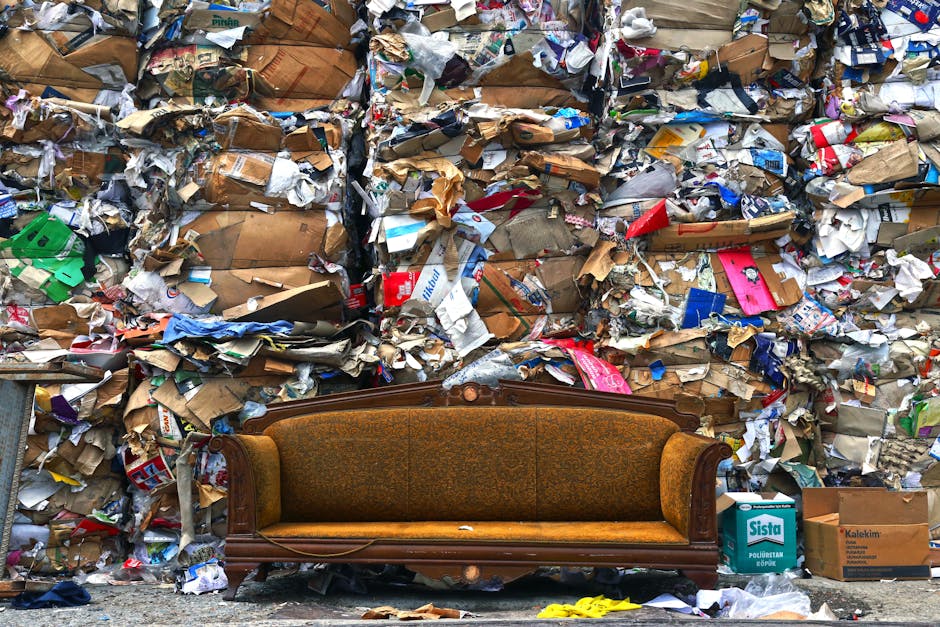
Legal Rules for Sofa Disposal in Croydon: Council Guide
If you need to get rid of an old sofa in Croydon, the process can feel strangely complicated for something that's just sitting in the lounge gathering dust. The truth is, legal rules for sofa disposal in Croydon matter more than many people realise. Leave a sofa on the pavement, dump it in the wrong place, or hand it to an unlicensed collector and you could end up with avoidable trouble. This council guide breaks down the rules in plain English, explains your disposal options, and helps you choose a lawful, practical route that suits your situation. No jargon. No guesswork. Just sensible guidance you can actually use.
Whether you are moving home, replacing a worn-out three-seater, clearing a rental property, or helping a family member sort out bulky furniture, there is usually a straightforward way to stay compliant. And if you are arranging a wider clear-out, it can help to look at services such as furniture pick-up or even man and van support for heavier loads. Let's get into the detail properly.
Contents
- Why Legal Rules for Sofa Disposal in Croydon: Council Guide Matters
- How Legal Rules for Sofa Disposal in Croydon: Council Guide Works
- Key Benefits and Practical Advantages
- Who This Is For and When It Makes Sense
- Step-by-Step Guidance
- Expert Tips for Better Results
- Common Mistakes to Avoid
- Tools, Resources and Recommendations
- Law, Compliance, Standards, or Best Practice
- Options, Methods, or Comparison Table
- Case Study or Real-World Example
- Practical Checklist
- Conclusion
- Frequently Asked Questions
Why Legal Rules for Sofa Disposal in Croydon: Council Guide Matters
Sofas are bulky, awkward, and hard to handle. They also fall into a category of household waste that local authorities take seriously because they can obstruct streets, attract fly-tipping complaints, and create hazards for pedestrians and traffic. In Croydon, as in most parts of the UK, the basic principle is simple: you must dispose of bulky furniture responsibly and legally. That usually means using an authorised collection method, taking the item to a permitted facility, or arranging a proper household waste service.
Why does this matter so much? Because sofa disposal is one of those jobs where "just leaving it somewhere" can quickly become a problem. A sofa left beside a bin store, at the end of a shared driveway, or on a roadside looks abandoned even if you intended to remove it later. And once an item is in a public place, the responsibility can become murky fast. To be fair, plenty of people only learn this after a knock-on complaint from a neighbour or landlord. Not ideal.
There's also a wider environmental angle. Sofas often contain mixed materials: timber, fabric, foam, metal springs, plastics, sometimes even electrical parts if it's a recliner. That makes them harder to recycle than a plain cardboard box, so correct sorting matters. A lawful disposal route helps keep reusable furniture in circulation where possible and reduces the chance of waste ending up in the wrong place.
Expert summary: If you remember one thing, make it this: never assume a sofa can be left out "for someone to take." In Croydon, as elsewhere, lawful disposal usually means an arranged collection, an approved drop-off route, or a properly licensed waste carrier.
How Legal Rules for Sofa Disposal in Croydon: Council Guide Works
The process is easier when you think of it in three layers: ownership, collection, and disposal destination. First, you still own the sofa until it's handed over correctly. Second, whoever removes it should be able to lawfully transport waste. Third, the sofa should end up at a legitimate facility or collection stream, not in a layby, alley, or random field. Simple enough on paper, slightly less simple in real life on a wet Tuesday when you're trying to clear a hallway.
In practical terms, Croydon residents generally have a few lawful options. The most suitable one depends on the sofa's condition, whether it can be reused, and how urgently you need it gone. A decent sofa in working order may be suitable for reuse or donation routes, while a damaged, stained, or broken sofa usually needs bulky waste disposal or recycling-led handling. If you are moving house at the same time, it can make sense to combine sofa removal with home moves or broader relocation help so you are not paying twice for transport.
The important thing is not just getting the sofa out of the property, but getting it out properly. A lawful disposal route should provide some reassurance that the item will be handled responsibly. If you are using a third-party removals or clearance provider, check that they are suitably set up to transport waste and understand what should happen to reusable items versus broken ones. A quick conversation now can save a headache later. And yes, it's one of those boring-but-useful checks that pays off.
What usually happens to an old sofa?
- Reuse: If the sofa is clean, safe, and usable, it may be suitable for second-hand circulation.
- Repair: Some sofas are worth minor repair work if the frame and springs are in good shape.
- Recycling: Materials may be separated where facilities allow.
- Waste disposal: If the sofa is beyond reuse, it may go to a licensed waste route.
That separation is the quiet part people miss. A sofa is not always "waste" in the same way as old food or broken tiles. Sometimes it is still an asset, just one you no longer need.
Key Benefits and Practical Advantages
Following the legal route for sofa disposal is not only about avoiding trouble. It also makes the whole job less stressful. That may sound obvious, but once you've tried to drag a bulky settee through a narrow hall at 8 p.m., you'll appreciate any method that reduces drama.
- Less risk of penalties or complaints: Responsible disposal avoids the mess and reputational damage of fly-tipping accusations.
- Cleaner property handovers: Landlords, agents, and incoming occupiers appreciate a clear, uncluttered space.
- Better environmental outcomes: Reuse and recycling are preferable to unnecessary landfill where viable.
- Safer handling: Heavy furniture can easily cause cuts, scrapes, back strain, or damage to walls and stairwells.
- More predictable costs: Planned collection is usually cheaper and calmer than last-minute improvisation.
There's also a practical peace-of-mind benefit. Once the sofa is gone properly, you stop thinking about it. No wondering whether it will blow over in the rain. No checking the hallway every hour. Just done.
If your disposal needs are part of a larger clear-out or relocation, it can also help to coordinate the work with packing and unpacking services or, for heavier furniture, a suitable moving truck arrangement. That tends to reduce the number of handoffs, which in turn reduces the risk of something being left behind by mistake.
Who This Is For and When It Makes Sense
This guide is for anyone in Croydon who needs to dispose of a sofa without creating a legal or practical mess. That includes homeowners, tenants, landlords, letting agents, student sharers, office managers handling waiting-room furniture, and family members clearing a property after a move.
It also matters when your sofa is not exactly "trash" but not really keepable either. Maybe the fabric is worn through at one arm, or the seat cushions have collapsed a bit. Maybe you're changing style after a refurb and the old sofa is still serviceable. In those in-between cases, the best route is not always obvious. That's where a measured decision helps.
Here are some common situations:
- Moving house: You may want old furniture removed before the moving day rush.
- End of tenancy: The property should be left clear and compliant with any tenancy obligations.
- Office or commercial premises: Reception seating and break-out furniture may need coordinated removal, especially during refits. A service like commercial moves can be relevant here.
- Downsizing: Smaller homes often require smarter furniture decisions, not just more bin bags.
- Inheritance or probate clear-outs: The process can be emotionally loaded, so simple, lawful handling matters.
Sometimes people wait until the sofa is already in the front garden before asking what to do. Truth be told, that is a bit late. But even then, there is usually a proper route forward if you act promptly and keep the item secure.
Step-by-Step Guidance
If you want the simplest possible route, use this sequence. It works for most households and avoids the common traps.
- Check the condition of the sofa. Is it reusable, repairable, or clearly end-of-life?
- Measure access. Make sure it can be moved out safely through doors, stairwells, or lifts. A sofa that looks manageable can be a nightmare in a tight Victorian terrace.
- Decide whether reuse is realistic. If the sofa is clean and sound, consider whether it should be passed on rather than treated as waste.
- Choose a lawful route. This may be a bulky waste collection, a licensed furniture pick-up, or a removal service that can transport it correctly.
- Prepare the sofa. Remove cushions, throws, and loose items. Wipe down the surface if the item is being passed on.
- Keep records where sensible. If someone else is collecting the sofa, note the date, company name, and what was removed. That can be helpful if questions arise later.
- Confirm the handover. Do not leave the sofa outside unless the collection instructions specifically say you should.
That's the core flow. Nothing fancy, just practical. If you're arranging other household removals at the same time, using a broader service such as house removalists or man with van support may save repeated lifting and multiple trips.
A quick real-world example
Imagine a couple in South Croydon replacing a three-seat sofa before moving into a smaller flat. The sofa is too bulky for their new place, but still usable. Rather than leaving it by the kerb or waiting until the last minute, they book a lawful pick-up, clear the cushions, and keep the collection in the driveway only for the arranged handover window. That sounds minor, but it avoids nuisance, keeps the neighbours happy, and makes move day far less chaotic. Small win, but a real one.
Expert Tips for Better Results
A few simple habits can make sofa disposal much smoother. These are the kind of things you only learn after a few removals, a couple of scuffed doorframes, and at least one awkward "where did the second arm cushion go?" moment.
- Ask whether the sofa can be reused first. If it can, you may avoid unnecessary waste handling.
- Photograph the item before collection. Useful for your own records, especially in shared properties.
- Protect floors and corners. A blanket or cardboard guard can prevent scraping on old hallways.
- Separate components. Loose feet, cushions, and removable covers are easier to move and sometimes easier to recycle.
- Use proper lifting technique. Bend your knees, don't twist, and don't pretend the sofa is lighter than it looks. It never is.
- Book early if you have a deadline. End-of-tenancy or pre-move periods get busy fast.
If you want a broader sustainability-minded approach, it can help to read the company's recycling and sustainability information so you understand how furniture is handled beyond the front door. That doesn't replace checking the disposal route, but it does give a useful picture of the intended afterlife of your sofa.
One more thing: if there's any doubt about access, stairs, or weight, don't wing it. A sofa that catches on a banister can do more damage than the disposal fee you were trying to avoid. Seen it happen. Not pretty.
Common Mistakes to Avoid
The mistakes people make with sofa disposal are surprisingly predictable. The good news is they are also easy to avoid once you know what to look for.
- Leaving the sofa in a public place: Even temporarily, this can be treated as dumping if it is not part of an arranged lawful collection.
- Using an unverified collector: If someone offers a cheap uplift but cannot explain where the sofa goes, be cautious.
- Assuming "someone will take it" means it is safe to leave out: That assumption causes a lot of trouble.
- Forgetting landlord or building rules: Flats, HMOs, and managed buildings often have their own waste rules.
- Damaging shared areas during removal: Stairwells, lifts, and entrance doors can take the brunt if the job is rushed.
- Mixing reusable items with general rubbish: That can reduce the value of the furniture and complicate disposal.
One of the sneakiest issues is timing. People often try to do everything on the same day as a move, and then the sofa becomes the last thing left in the room, sort of sulking there. If your schedule is tight, split the tasks. Sofa out first, moving box chaos second. Much better.
Tools, Resources and Recommendations
You do not need a big toolkit to dispose of a sofa properly, but a few basic items make life easier.
- Measuring tape: Helps confirm whether the sofa will fit through doors and turning points.
- Protective gloves: Useful when handling staples, frame edges, or worn fabric.
- Furniture blankets or moving pads: Helpful for protecting surfaces during removal.
- Straps or trolleys: If the sofa is particularly heavy and you are moving it yourself, proper equipment matters.
- Contact details for a reliable remover: Make sure you know who is collecting the item and when.
For anyone juggling a larger property clear-out, it can also be sensible to look at pricing and quotes before you book. That helps you compare what is included, whether labour is covered, and whether there are separate charges for awkward access or additional items. In our experience, clarity upfront is worth more than chasing the cheapest headline figure and then discovering the sofa is "extra."
If your sofa disposal is tied to a house move, a van-based solution such as man and van may be a sensible fit for smaller jobs, while more substantial clearances may call for removal truck hire. The right choice depends on volume, access, and how much heavy lifting is involved.
Law, Compliance, Standards, or Best Practice
When people ask about legal rules for sofa disposal in Croydon, they usually want the plain version: what is allowed, what is risky, and what is sensible. The safest answer is to follow the general UK principle that waste must be handed to a lawful carrier or disposed of through a permitted route. In practice, that means you should avoid any collection that seems vague, cash-only without paperwork, or unwilling to explain where the furniture will go.
Best practice usually includes:
- using an appropriately licensed or authorised waste collection route where the sofa is being treated as waste;
- keeping evidence of collection where that feels prudent;
- ensuring the item is not left on public land without instruction;
- separating reusable furniture from damaged waste where possible;
- checking building, tenancy, or landlord rules before disposal day.
If you are unsure whether your sofa qualifies for reuse, repair, or disposal, it is better to err on the cautious side. A worn cover does not automatically make a sofa rubbish, but a broken frame, collapsed seat, or severe staining often changes the picture. Slightly boring advice, yes. Still the right advice.
For businesses and landlords, compliance is even more important because multiple people may be involved and responsibility can blur. A clear process, a known collection provider, and a record of what was removed are all sensible safeguards. If there is any doubt about insurance or handling practices, review the provider's insurance and safety information before proceeding.
Options, Methods, or Comparison Table
Different sofa disposal methods suit different situations. Here's a simple comparison to make the decision less fuzzy.
| Method | Best for | Pros | Watch-outs |
|---|---|---|---|
| Reuse or pass-on | Clean, usable sofas | Lower waste, potentially free, practical for others | Only suitable if the item is safe and presentable |
| Bulky waste collection | Most household sofas | Convenient, structured, lawful when arranged correctly | May require booking and preparation |
| Professional furniture pick-up | Heavy, awkward, or multiple items | Less lifting, faster clearance, better for access issues | Check what is included in the service |
| Self-delivery to a facility | People with suitable vehicle access and time | Direct control over timing | Transport, lifting, and facility rules can be awkward |
For many Croydon households, the most practical balance is a proper collection service rather than trying to wrestle a sofa into a car or squeeze it into a narrow van without support. If you are already moving furniture, a combined solution through moving truck support can simplify the whole day.
Case Study or Real-World Example
A family in Croydon decided to replace two old sofas during a spring clear-out. One was still in decent shape; the other had sagging cushions and a split seam. Instead of treating both items the same way, they separated the decision. The better sofa was offered for reuse, while the damaged one was arranged for lawful removal. They also checked access in advance because the front room sat up two steps from the hallway, which is the sort of detail people forget until the sofa is already halfway turned.
By planning the job that way, they avoided leaving anything outside overnight, reduced lifting stress, and finished the clear-out in one afternoon rather than dragging it into the weekend. A small example, but it captures the point neatly: the right disposal route depends on condition, timing, and access, not just size.
It also saved the classic "Where do we put this now?" moment that seems to happen with every household move. There's always one. Usually with a cup of tea going cold nearby.
Practical Checklist
Use this quick checklist before you arrange sofa disposal in Croydon:
- Confirm whether the sofa is reusable, repairable, or waste.
- Measure doorways, stairwells, and hall access.
- Check any landlord, building, or tenancy rules.
- Choose a lawful disposal or collection method.
- Clarify whether removal includes lifting from inside the property.
- Keep the sofa indoors or in a secure area until collection time.
- Remove loose cushions, feet, and accessories.
- Protect floors and walls if the item has to be moved through tight spaces.
- Keep a record of the collection details.
- Make sure no part of the sofa is abandoned on public land.
If the sofa is part of a wider move or business relocation, combining tasks can be the cleaner answer. Services such as office relocation services may be useful where seating and other bulky items need to go together, while house removalists can help when the whole property is being cleared in one go.
Conclusion
Legal sofa disposal in Croydon is really about a few simple habits: know the item's condition, choose the right route, avoid leaving it where it could be treated as dumped waste, and keep the handover tidy. That is the core of it. If you stay organised, the process is usually far less complicated than people expect.
And honestly, that is often the difference between a calm clear-out and a messy one. A little planning goes a long way, especially when you are dealing with something bulky, awkward, and somehow always heavier than it looked five minutes earlier. If you need a hand with a furniture-heavy move or an urgent clear-out, booking the right support early tends to make the whole day breathe easier.
Get a free quote today and see how much you can save.
With the right approach, your sofa disposal can be lawful, efficient, and surprisingly uneventful - which, on balance, is exactly what you want.
Frequently Asked Questions
Can I leave an old sofa on the pavement in Croydon?
Only if it is part of a properly arranged collection and you have been told to do so. Leaving a sofa on the pavement without clear instructions can be treated as dumping or fly-tipping, which is where people get into trouble.
What is the safest legal way to get rid of a sofa?
The safest route is usually a booked bulky waste collection, a lawful furniture pick-up, or another authorised disposal method. The key is that the sofa is collected and handled by a legitimate route, not abandoned informally.
Can a sofa be reused instead of thrown away?
Yes, if it is clean, safe, and structurally sound. Many sofas are better suited to reuse than disposal. If the frame is broken or the upholstery is badly damaged, disposal is more likely to be appropriate.
Do I need to dismantle the sofa before collection?
Usually not, but removing loose cushions, feet, or detachable parts can make handling easier. If the sofa is unusually large or the access is tight, a little preparation helps a lot.
What happens if I use an unlicensed collector?
You risk the sofa being dumped illegally, and that can create problems for you as the original owner. If you cannot tell where the item is going, that is a red flag. A cheap service is not much of a bargain if it creates a bigger problem later.
Is it okay to put a sofa next to the bins and hope it gets taken?
No, not really. That approach is one of the most common mistakes and can be treated as improper disposal. A sofa needs a proper collection route, not a hopeful nudge toward the nearest bin area.
Do landlords care how tenants dispose of sofas?
Yes, often they do. In many tenancies, tenants are expected to leave the property clear and not leave bulky waste behind. If you are moving out, check the agreement before disposal day.
Can I dispose of a sofa with other moving items?
Absolutely. In fact, that is often the most efficient option. If you are already arranging a move, combining the sofa with other items can save time, reduce lifting, and simplify the logistics.
How do I know if a sofa is too damaged to donate?
If the frame is unstable, the cushions are badly collapsed, or the upholstery is heavily stained or torn, donation may not be suitable. A donation-worthy sofa should be clean, safe, and ready for someone else to use without major work.
What should I check before hiring help for sofa disposal?
Check what the service includes, how the sofa will be handled, whether lifting from inside the property is covered, and whether the provider can explain the disposal route clearly. It's a small bit of homework, but worth it.
Are there any safety concerns when moving a sofa out myself?
Yes. Sofas are awkward, heavy, and easy to catch on corners. Use gloves, protect walls and floors, and avoid twisting under load. If it feels unsafe, stop and get help.
What is the best option for one large sofa and a tight hallway?
For a single awkward sofa, a tailored collection or van-based removal is often the most practical option. If you also need support with wider household clearance, a service that handles furniture and transport together can be easier than piecing it together yourself.