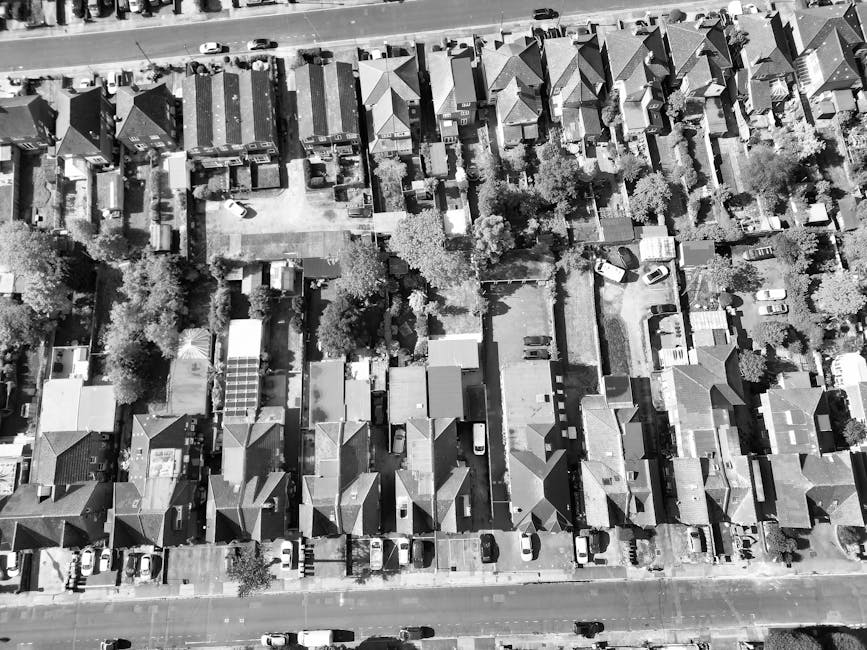
Selhurst Park home removals with narrow access solutions
Moving house in Selhurst Park can feel straightforward on paper, then suddenly a hallway turns tight, the staircase pinches at the bend, or the front garden gate is just a bit too narrow for the sofa you swore would fit. That is exactly where Selhurst Park home removals with narrow access solutions become valuable. Instead of forcing a standard approach into a tricky property, the move is planned around the access you actually have: narrow streets, shared entrances, tight stairwells, awkward corners, basement flats, and all the little obstacles that can slow a move down.
This guide walks through what those solutions involve, why they matter, how they work in practice, and what a good move looks like when access is limited. If you are comparing options, worried about damage, or simply want fewer surprises on moving day, you are in the right place. Truth be told, a cramped entrance does not have to mean a stressful move.
Contents
- Why Selhurst Park home removals with narrow access solutions Matters
- How Selhurst Park home removals with narrow access solutions Works
- Key Benefits and Practical Advantages
- Who This Is For and When It Makes Sense
- Step-by-Step Guidance
- Expert Tips for Better Results
- Common Mistakes to Avoid
- Tools, Resources and Recommendations
- Law, Compliance, Standards, or Best Practice
- Options, Methods, or Comparison Table
- Case Study or Real-World Example
- Practical Checklist
- Conclusion
- Frequently Asked Questions
Why Selhurst Park home removals with narrow access solutions Matters
Selhurst Park has the kind of housing mix that keeps removals teams on their toes. You will find terraced homes, maisonettes, converted flats, shared hallways, front steps, side returns, and roads where parking can be tight even on a good day. None of that is unusual in London, of course, but it does mean a normal "turn up and move" plan can fall apart very quickly.
Narrow access matters because it changes almost every part of the job. It affects how the van is parked, which furniture can be moved in one piece, how many people are needed, whether items should be dismantled, and whether protective equipment is worth using. It can also affect timing. A move that might take a few hours in an easy-access property can become a much longer and more delicate operation if the route in and out is awkward.
There is also a simple human factor here. When access is cramped, people get tense. Doors stay open too long, neighbours are waiting, someone starts worrying about the antique cabinet scraping the wall, and the whole thing can snowball. A plan built around the property layout keeps things calmer. Less shuffling. Less shouting. Fewer bruised knuckles. And, usually, fewer regrets.
Practical takeaway: if your home has tight stairs, a narrow hallway, or tricky street access, the move should be surveyed and planned as a narrow-access job from the start, not treated as a standard removal with a few extra notes.
How Selhurst Park home removals with narrow access solutions Works
A narrow-access move is usually built in layers. First comes the access check. Then comes the decision about equipment, vehicle size, packing method, team size, and loading sequence. Nothing fancy, just good planning. But those small decisions make a big difference.
1. Assess the property route
The mover needs to understand the route from room to van. That includes internal stairs, landings, tight corners, low ceilings, door widths, shared hallways, external steps, parking distance, and where bulky items might snag. In practice, a curved staircase can matter more than a long one. Funny how that works.
2. Match the vehicle to the access
Sometimes the best vehicle is not the biggest one. A compact van, a smaller removal truck, or a man and van setup can be far easier where parking is restricted or the street is narrow. In other cases, a larger van is still best, but the crew needs to plan for shuttle runs or offloading from a safer position. If you are unsure, a man and van service can be a sensible fit for smaller or access-heavy moves, while home moves cover fuller domestic relocations.
3. Decide what should be dismantled
Wardrobes, bed frames, large desks, and some dining tables move better when taken apart before the removal starts. That is not always necessary, but with tight access it often reduces damage risk and makes the process much smoother. Sometimes the right call is obvious. Other times it is a judgment call based on the item, the route, and the clock. You know the sort of thing.
4. Protect the route and the furniture
Good narrow-access removals include route protection. Think door frame covers, floor runners, blanket wrapping, corner protection, and careful lifting techniques. This matters especially in older homes where plaster can be a bit unforgiving and a tiny scrape somehow becomes the only thing you notice all day.
5. Load in a deliberate order
Loading is not just "heavy first, light later." With limited access, the removal team often works in a sequence that reduces backtracking and avoids blockages in the hallway or stairwell. Items may be staged near the exit, then moved in the order that suits the route. It sounds basic, but it is one of the biggest time-savers.
Key Benefits and Practical Advantages
The real benefit of Selhurst Park home removals with narrow access solutions is not just fitting things through a tight gap. It is the reduction of risk across the entire move.
- Less damage risk: Furniture, walls, bannisters, and floors are less likely to get scraped or knocked.
- Better time control: A planned access strategy avoids those awkward pauses where everyone stands around looking at a sofa that will not turn.
- Safer lifting: Tight spaces increase the risk of bad lifts. Proper handling helps protect both people and items.
- More accurate pricing: Clear access details allow more realistic quotes and fewer last-minute adjustments.
- Less stress on moving day: When the access plan is clear, the whole atmosphere is calmer. Not perfect, maybe, but calmer.
- More suitable vehicle choice: The move can be matched to the property instead of forcing the wrong truck into the wrong street.
Another practical advantage is that narrow-access planning often helps with timing around neighbours, building rules, and parking pressure. In Selhurst Park, where you may be dealing with shared access or busy residential roads, that can be the difference between a tidy move and a day that feels oddly chaotic from the first mug of tea onward.
Who This Is For and When It Makes Sense
This kind of service makes sense for a lot of everyday moving situations, not just extreme ones. If you are wondering whether your move counts as "narrow access", here is the simple answer: if you have to think about the route before carrying the sofa, it probably does.
It is especially useful for:
- terraced homes with narrow front paths or doorways
- basement or top-floor flats with tight staircases
- converted houses with awkward internal turns
- properties with no direct driveway access
- streets where parking must be managed carefully
- households moving bulky furniture, exercise equipment, or a piano
- customers who want a more careful, route-led move rather than a rushed one
If you are downsizing, changing neighbourhoods, or moving between flats and family homes, the right access plan can save a lot of trouble. The same goes for anyone with expensive or sentimental items. A narrow hallway is not where you want to be improvising with a bookcase that belonged to your nan.
It also makes sense when you want a more transparent quote. The more a mover knows about the route, the more honest the estimate can be. That is where services like pricing and quotes become useful, especially if you are comparing options and trying to avoid surprises.
Step-by-Step Guidance
Here is a practical way to approach a narrow-access move in Selhurst Park without making it harder than it needs to be.
- Measure the awkward bits. Door widths, stair width, hallway turns, lift size if relevant, and any low ceilings or overhead fittings.
- Identify the largest items early. Sofas, wardrobes, mattress bases, appliances, and any item that cannot easily pivot.
- Share clear access photos. A few decent pictures often tell the story faster than a long explanation.
- Ask about dismantling. Find out whether beds, tables, or storage units should be broken down before move day.
- Plan parking in advance. In a busy area, this can save real time. Sometimes a small change in where the van stops makes everything easier.
- Pack for movement, not just storage. Boxes should be sealed firmly, labelled, and not overfilled.
- Protect delicate routes. If there is a shared corridor, painted skirting, or a narrow stair rail, protect it before heavy lifting starts.
- Confirm access on the day. A locked gate, blocked entrance, or unexpected parked car can derail the best plan.
One useful habit is to walk the route in your head before move day. From bedroom to landing, landing to hallway, hallway to front step, front step to van. If there is a moment where you think, "Hmm, that might be awkward," that is the place to prepare.
Expert Tips for Better Results
Most narrow-access problems are not solved by strength. They are solved by preparation. That is the part people sometimes underestimate.
Tip 1: Use the right packing size. Small and medium boxes are safer in tight spaces than oversized boxes that wobble or burst open at the worst possible moment. Nobody enjoys chasing loose crockery down a hallway.
Tip 2: Keep a clear loading path. If you can clear shoes, coats, recycling bags, and spare items from the route, do it. Even a small obstacle can slow things down when two people are carrying a wardrobe.
Tip 3: Separate fragile items early. Put mirrors, framed art, lamps, and glassware somewhere obvious so they are not buried under heavier items at the end of the day.
Tip 4: Dismantle only when it helps. It is tempting to take everything apart. Not always necessary. But in a narrow stairwell, a little dismantling can save a lot of swearing under one's breath.
Tip 5: Ask for the route plan, not just the quote. A good mover should be able to talk through the movement order, access concerns, and how they will protect the property.
Tip 6: Make timing realistic. If parking is tight or the building has rules about access windows, do not schedule the day like everything will be frictionless. It rarely is.
A small human note: one of the most common mistakes is assuming the only issue is the front door. Often, the real problem is the turn halfway down the stairs. That bend. The one that looks harmless until you are holding a sofa at chest height.
Common Mistakes to Avoid
Let's face it, moving day has enough moving parts already. These are the errors that tend to create extra hassle in narrow-access jobs.
- Underestimating the access: "It should be fine" is not a plan.
- Not measuring bulky furniture: Guessing the size of a wardrobe rarely ends well.
- Forgetting about parking distance: A van parked further away adds time and fatigue.
- Failing to mention stairs or basements: These details matter, and they matter early.
- Overpacking boxes: Heavy boxes are awkward in tight stairwells and risk breaking.
- Ignoring fragile surfaces: Painted walls, bannisters, tiled thresholds, and polished floors need more care than people sometimes expect.
- Leaving dismantling until move day: Doing it under pressure tends to slow everything down.
- Choosing the wrong service type: A very large vehicle may not help if the street is inaccessible; similarly, a tiny setup may be too slow for a full house move.
One more thing: do not bury access details in an email footer and assume they will be spotted. Put them up front. Clear, simple, boring. That is the good stuff.
Tools, Resources and Recommendations
You do not need specialist kit in your home, but a few practical tools and services can make a narrow-access move much smoother.
Useful moving tools
- Furniture blankets and wraps: help protect edges and finishes.
- Strong tape and labels: keep boxes secure and easy to identify.
- Allen keys and screwdrivers: useful for bed frames, table legs, and shelving.
- Floor runners: useful where carpets, wood, or tiles need extra protection.
- Straps and trolleys: can help with safer handling, provided the route allows them.
Service options worth considering
If you are moving a smaller load or only a few bulky items, man with van support may be enough. For larger household moves, house removalists are more suitable because they can bring the structure and lifting help needed for stairs and awkward access. If you also need help boxing things up, packing and unpacking services can make the whole process less frantic.
For moving heavier items, the right vehicle matters too. A properly matched moving truck can be safer than trying to squeeze everything into a setup that is too small and causes extra trips. If you only need short-term transport for items or furniture, removal truck hire may also be worth exploring.
If you are organising a full move and want the company behind the job before making a decision, it is sensible to read their about us page and check their insurance and safety approach. Small detail, yes, but useful.
Law, Compliance, Standards, or Best Practice
For home removals, the main thing is safe, lawful, and considerate practice. There is not usually a single dramatic rulebook moment, but there are several practical responsibilities that matter.
Parking and access: In London, parking restrictions, bay rules, and temporary suspensions can affect removal day. If you are arranging a move near a narrow road or busy residential street, it is sensible to check how access will work in advance. A vehicle blocking the wrong place for too long can create problems for neighbours and for your schedule.
Health and safety: Heavy lifting, tight turns, and awkward carries are the sort of conditions where cautious handling really matters. Good practice includes using the right lifting technique, enough people for the load, and suitable equipment. If you want to understand how a removal company approaches this, a clear health and safety policy is a reassuring sign.
Insurance: If something is valuable, fragile, or awkwardly shaped, ask what protection is in place. That does not mean expecting perfection or assuming every eventuality is covered in the same way. It means knowing the process and the limits before the move begins.
Waste and disposal: If you are clearing out furniture before moving, do not treat disposal as an afterthought. Large items should be handled responsibly. For example, if you are removing an old sofa or similar bulky item, it is worth understanding local disposal expectations before leaving it on the street. A useful starting point is the company's own guidance on sofa disposal in Croydon.
Best practice in this kind of move is simple: plan early, keep the route clear, protect the property, and use the right size team and vehicle. Not glamorous. Very effective.
Options, Methods, or Comparison Table
Not every move in Selhurst Park needs the same setup. The right method depends on the size of the property, the access route, and how much furniture needs to go. Here is a plain-English comparison.
| Option | Best for | Strengths | Watch-outs |
|---|---|---|---|
| Man and van | Small flats, a few items, light access issues | Flexible, efficient, usually easier in tight streets | May not suit large furniture or full-house moves |
| House removalists | Full domestic moves, larger households, more furniture | More support, better for complex loads, more structured | Needs clearer planning if access is unusually tight |
| Moving truck with crew | Medium to large moves where loading space matters | Good carrying capacity, useful for grouped loads | Parking and street access must be checked carefully |
| Partial dismantling and careful carrying | Furniture with awkward dimensions | Reduces damage risk, improves manoeuvrability | Requires time and the right tools |
| Packing support | Busy households, fragile contents, tight timescales | Faster preparation, better protection, less stress | Costs more than self-packing, but often earns its keep |
If you are comparing quotes, try not to compare only the headline price. Look at what the quote assumes: stairs, distance from van to door, dismantling, packing, waiting time, and whether any access problem has actually been counted in. That is where things usually differ.
For people who like a tidy, direct comparison process, comparing Croydon removals quotes can help reveal which offer is genuinely better value. And if you want to understand pricing structure more deeply, flat rate vs hourly removals is a useful way to think about the trade-offs.
Case Study or Real-World Example
Here is a realistic example based on a common Selhurst Park-style move. A couple are moving from a first-floor flat in a converted house into a terraced property a few streets away. The stairwell inside the flat is tight, the bannister curves slightly at the turn, and parking on both streets is limited. One of their sofas also has arms that make it awkward to carry upright.
Instead of treating it as a standard move, the removal plan starts with access. The team asks for photos of the stairwell, the sofa, and the front entrance. They suggest dismantling the bed frame the day before, pre-labelling boxes by room, and keeping the route in the flat free of laundry baskets, shoes, and loose bags. A smaller vehicle is chosen to make parking easier, and the loading sequence is planned so the sofa goes out before the heavier boxes block the hallway.
On move day, the front door is protected, the stairs are covered where needed, and the bulky items are moved with a slower, more deliberate carry. The difference is obvious: no frantic pivoting at the bottom of the stairs, no panicked "will it fit?" moment halfway through, and far less chance of a scuffed wall. The move still takes concentration, naturally, but it feels managed rather than improvised.
That is usually the whole point. Good narrow-access removals do not remove every challenge. They make the challenge boring enough to handle properly.
Practical Checklist
Use this before moving day so nothing obvious gets missed.
- Measure doors, stairs, landings, and awkward corners
- Note any basement, loft, or top-floor access
- Take photos of the route and the largest furniture items
- Tell the mover about parking restrictions and shared entrances
- Ask whether any items should be dismantled
- Prepare boxes that are not overfilled and are clearly labelled
- Keep hallways, steps, and exits free from clutter
- Protect fragile or high-value items separately
- Confirm arrival time and access arrangements the day before
- Make sure keys, fobs, and building instructions are ready
- Check whether you need help with packing, loading, or disposal
- Review insurance and safety details if you are unsure
Quick summary: measure early, share photos, choose the right team size, and plan the route from room to van. That is the backbone of a calmer move.
Conclusion
Selhurst Park home removals with narrow access solutions are really about turning a difficult route into a manageable one. When the property is tight, the street is busy, or the staircase is unforgiving, success comes down to planning, the right equipment, and a removal team that understands how to work carefully without slowing everything to a crawl.
For many households, the best results come from being honest about the access from the start. Share the photos. Mention the staircase. Say if the parking is awkward. It saves time, reduces damage risk, and makes the day feel much less like guesswork. And honestly, that is a relief you can feel.
If you are still weighing up your options, take the time to check the service fit, the vehicle, the access plan, and the support available for packing and heavy items. A well-planned move may not be glamorous, but it is a lot kinder to your nerves.
Get a free quote today and see how much you can save.
And if the hallway is narrow, the van is large, and the day feels a bit too full already, take a breath. It does get easier when the plan is sensible.
Frequently Asked Questions
What counts as narrow access in a Selhurst Park move?
Narrow access usually means any route that makes carrying furniture harder than normal, such as tight staircases, small doorways, shared hallways, awkward corners, limited parking, or a long carry from van to front door.
Do I need to mention access problems when asking for a quote?
Yes. The more accurate the access details, the more realistic the quote will be. Photos of the stairs, entrance, and any parking restrictions are especially helpful.
Can a full house move still work with narrow access?
Absolutely. It often just needs more planning, a suitable vehicle, and sometimes extra dismantling or a larger team. The move is adjusted to the property, not the other way around.
Is a man and van service enough for a tight-access property?
It can be, especially for smaller homes, flats, or partial moves. For larger households or heavy furniture, a more structured house removals service may be a better fit.
Should I dismantle furniture before the removal team arrives?
If you can do it safely and it clearly helps with access, yes. Beds, large wardrobes, and some tables often move more easily once dismantled. If you are unsure, ask in advance rather than guessing on the day.
What if parking is very limited on my street?
Tell the mover early. Limited parking may affect the vehicle choice, the arrival time, or how the loading is managed. In some cases, a shorter carry or smaller van can make the whole job easier.
How do removal teams protect walls and floors in tight spaces?
They may use blankets, runners, padding, and careful route planning. The exact approach depends on the property and the items being moved, but the aim is always to reduce scrapes and pressure points.
Will narrow access make my move more expensive?
It can, because it may require more time, more people, a different vehicle, or extra protection. That said, clear planning can help keep the job efficient and avoid avoidable extra charges.
What should I tell the removals company before moving day?
Tell them about stair width, door width, parking, lifts, shared entrances, basement or loft access, and any extra-large items. Small details matter more than people expect.
Can I move heavy items like wardrobes or pianos through a narrow stairwell?
Sometimes, but it depends on the route, the item, and whether dismantling is possible. For heavy or awkward items, specialist handling is usually safer than trying to force the carry.
How early should I arrange a narrow-access move?
As early as you can, especially if parking or building access needs planning. Early booking gives you more time to prepare photos, measurements, dismantling, and packing.
What is the biggest mistake people make with tight-access removals?
Probably assuming the route will "just work out." In reality, the awkward turn, the low ceiling, or the parking issue is usually what decides the day. Planning around those points makes a huge difference.
Are packing services worth it for narrow-access homes?
Often yes, because well-packed boxes are easier to carry, safer in transit, and quicker to load. If you are already dealing with a difficult route, removing a bit of extra pressure can be worthwhile.
How do I know if a removal company is a good fit for access-heavy moves?
Look for clear questions about your property layout, practical advice on vehicle choice, and straightforward safety and insurance information. A company that asks the right questions early is usually easier to work with.